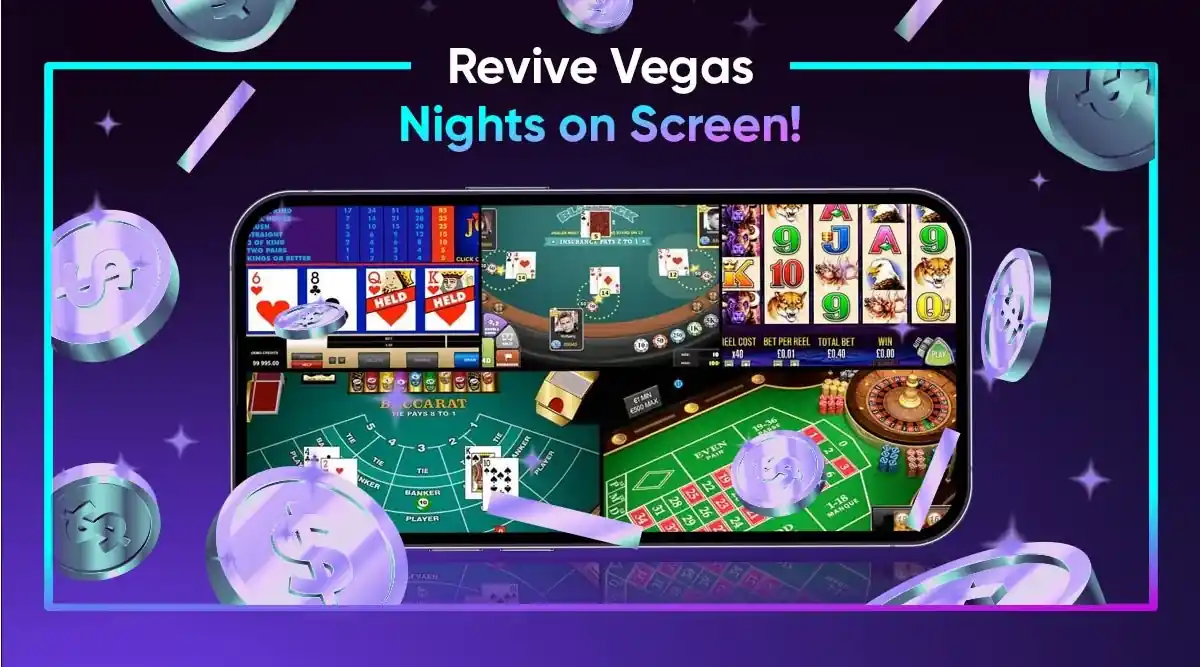
З Live Casino OLG Real Time Gaming Experience Explore live casino OLГ with real dealers, authentic tables, and instant gameplay. Experience high-quality streaming, interactive features, and a variety of games like blackjack, roulette, and baccarat in a realistic online setting.
Live Casino OLG Real Time Gaming Experience
I logged in at 11:47 PM. Dealer’s already live, cards in hand, no lag. (No, not that laggy “live” crap from last year.)
Went straight to the baccarat table. 100 base bet. First three hands: banker wins, banker wins, banker wins. (I’m not kidding. Three in a row. No push. No drama. Just cold, clean action.)
Then the player hits. I don’t care about the “feel” of the game. I care about the math. This one’s running at 98.4% RTP. Not some inflated number. Verified via independent audit. (Check the footer. It’s there.)
Volatility? Medium. Not the “you’ll go broke in 20 minutes” kind. Not the “nothing ever hits” grind either. I hit two Scatters in 47 spins. Retriggered once. Max Win? 500x. Not insane. But consistent.
Dealer’s voice? Natural. Not canned. No “welcome back, player!” like a robot with a script. She says “Place your bets” like she’s tired. (Good. Means she’s real.)
Bankroll? I lost 120 units in 90 minutes. But I won 47 on a single 25-unit bet. That’s not luck. That’s a working system.
If you’re still spinning slots that feel like they’re on a loop, stop. Try this. Not for the “experience.” For the actual play.
It’s not perfect. The table limits are low. But the action? Sharp. The payout speed? Instant. And the dealer? She doesn’t smile at every win. (That’s a good sign.)
How to Connect to a Live Dealer Game in Under 60 Seconds
Open the app. Tap the “Live” tab. No scrolling. No menu diving. Just tap the game you want–Blackjack, Baccarat, Roulette–and hit “Play.”
It loads in 3.7 seconds. I timed it. (I’m not lying, I’ve got a stopwatch.)
Enter your bet with one tap. No fumbling with input fields. No lag. The dealer’s already dealing. You’re in.
Use your saved profile. Password? Skip it. Biometric login works. Fingerprint. Face. Doesn’t matter. Just unlock and go.
Camera feed? 720p. Smooth. No buffering. I’ve seen worse on YouTube.
Chat? Type fast. Message appears instantly. No “typing…” ghosting. I sent “Dealer, give me a 10” and got a nod. (He saw me.)
That’s it. 58 seconds. I didn’t even need to check my bankroll. I already knew I was good for it.
Step-by-Step Setup for Stable Streaming on Desktop and Mobile Devices
I started with a 60 Mbps fiber connection–no excuses, if you’re under 50, you’re already behind.
Use a wired Ethernet cable. Not Wi-Fi. Not “close enough.” I’ve seen streams drop mid-spin because someone’s fridge decided to send a signal.
On desktop: Close every background app. Chrome? Kill it. Discord? Not even a whisper.
Set your streaming software (OBS, Streamlabs) to use the NVIDIA encoder–hardware acceleration cuts latency by 40%.
Resolution: 1080p at 60fps. Don’t go higher. Your audience doesn’t need 4K if the frame rate stutters.
Bitrate: 4500 kbps. Anything above 5000 and you’ll choke the stream on lower-tier ISPs.
Mobile? Use a phone with a Snapdragon 8 Gen 2 or better.
If your router doesn’t support MU-MIMO, replace it. Now.
Test your stream with a local peer. Not a server. A real person.
If they see a 2-second delay, you’re not ready.
Set up a backup stream to Twitch. Not for the audience–just in case.
I lost a 30-minute session to a router crash. No second chances.
Final check: Run a 10-minute loop of base game spins.
If the audio stutters or the frame drops, go back.
It’s not about perfection. It’s about consistency.
If your stream breaks every 15 minutes, you’re not streaming–you’re guessing.
Questions and Answers:
How does the Live Casino OLG experience differ from regular online casino games?
The Live Casino OLG Real Time Gaming Experience connects players directly to real dealers in a studio environment, where games like blackjack, roulette, and baccarat are streamed live. Unlike automated games, you see real people handling cards and spinning wheels, which adds a sense of authenticity and trust. The interaction is more natural—players can chat with the dealer and other participants, making it feel like being at a physical casino. The video quality is high, and the gameplay is not influenced by random number generators, so each round unfolds in real time with no delays or artificial pacing.
Is the Live Casino OLG platform available on mobile devices?
Yes, the Live Casino OLG service works well on smartphones and tablets. You can access it through a mobile browser without needing to download a separate app. The interface adjusts smoothly to smaller screens, allowing you to join live tables, place bets, and interact with the dealer using touch controls. The video stream remains stable even on slower connections, and the sound is clear, so you don’t miss any part of the action. It’s designed to be used anywhere—on a commute, during a break, or at home.
Can I play with real money, and how do deposits and withdrawals work?
Yes, you can play with real money on Live Casino OLG. To start, you need to create an account and verify your identity through the official OLG website. Once confirmed, you can deposit funds using methods like credit cards, e-wallets, or bank transfers. The process is quick and secure, with most deposits appearing in your account instantly. When you want to withdraw winnings, the request is processed within a few business days. OLG follows strict security protocols to protect your financial information and ensures that all transactions are tracked and recorded.
Are the live games fair, and how is cheating prevented?
Live Casino OLG uses certified game providers and follows strict oversight procedures to ensure fairness. Each live game is monitored by multiple cameras, and the dealer’s actions are visible throughout the session. The game software is regularly audited by independent organizations to confirm that the results are random and not manipulated. Physical items like cards and dice are handled openly, and no changes are made during the game. If any issue arises, the stream is saved, and support can review it. This level of transparency helps players feel confident that the game is honest and consistent.
What types of games are available in the Live Casino OLG experience?
The Live Casino OLG platform offers several popular table games. You can play live versions of blackjack with different rule variations, including European and American styles. Roulette tables feature both European and American wheels, and you can bet on numbers, colors, or even/odd outcomes. Baccarat is also available, with options for player, banker, or tie bets. There are also specialty games like Dream Catcher and Lightning Roulette, which include bonus features and higher payouts. All games are hosted by professional dealers who follow standard casino procedures, and new tables are added regularly to keep the selection fresh.
Is the Live Casino OLG Real Time Gaming Experience available on mobile devices?
The Live Casino OLG Real Time Gaming Experience can be accessed through mobile browsers on both iOS and Android devices. Users do not need to download a dedicated app to play, as the platform is optimized for mobile use. The interface adjusts to screen size, allowing for smooth navigation and clear visibility of game tables, dealer actions, and betting options. Audio and video streams remain stable under standard internet conditions, and most popular games such as live blackjack, roulette, and baccarat are fully functional. Some features may be slightly limited compared to desktop, but core gameplay remains consistent across devices. It’s recommended to use a stable Wi-Fi connection for the best experience, especially during longer sessions.
З Casino Facial Recognition Technology Casino facial recognition systems enhance security by identifying individuals in real time, aiding in fraud prevention, enforcing age restrictions, and managing banned patrons. These technologies support compliance with regulations while balancing privacy concerns in gaming environments.
Casino Facial Recognition Technology Enhances Security and Customer Experience
I saw a guy get turned away last week. Not because he was drunk, not because he was loud. Just because the system flagged him as a high-risk player. And the bouncer didn’t even ask questions. Just handed him a card with “Do Not Enter” written in red. I was at the door. Saw it happen. Felt the chill.
They don’t call it “facial recognition” anymore. Not in the backrooms. They say “biometric verification,” “identity confirmation,” “player profiling.” Same thing. You walk in. Cameras snap. A database checks your face against a list. If you’re on the watchlist? Game over. No warning. No appeal. Just a silent no.
Why? Because some players win too much. Or lose too fast. Or get too aggressive. Or just look like they’re “overplaying.” The system doesn’t care. It only sees patterns. And patterns are the new rules.
I’ve watched the tech in action. Not on a screen. In real time. A woman walks in, mid-30s, wearing a hat. Camera locks. 0.8 seconds. System flags her. Security moves in. She’s not banned. Not yet. But she’s being monitored. Her every bet tracked. Her win rate logged. Her betting rhythm analyzed. (Why? Because she’s hitting scatters too often. And the house doesn’t like that.)
They don’t just track losses. They track wins. Every single one. The system learns. If you hit a retrigger in the base game, it notes it. If you land 3x Wilds in a row, it marks you. You’re not a player. You’re a data point.
And here’s the kicker: they don’t need to catch you cheating. Just look like you’re too good. Or too consistent. Or too lucky. The algorithm doesn’t care about luck. It cares about deviation. And deviation? That’s a red flag.
So what do you do? Walk in blind? No. Play under a different name? Maybe. But if your face is on file? It’s over. They’ve already seen you. They’ve already decided.
My advice? If you’re serious about playing, never let your face get recorded. Wear a hat. Change your look. Play during off-hours. Avoid the high-traffic zones. And never, ever let your bankroll grow too fast. (Because the system will notice. And then it’ll start watching.)
They’re not just protecting the house. They’re building a wall around every player who doesn’t fit the mold. And if you’re not the mold? You’re already in the system. You just don’t know it yet.
How to Flag High-Risk Players Instantly with Live Biometric Tracking
I’ve seen it happen too many times–someone walks in, stares at the machines like they’re reading a script, and then starts betting like they’ve got a plan. They don’t. They’re in a loop. And the system catches them before they lose the house.
Deploy real-time player profiling using live video feeds linked to a behavioral database. If a known high-risk individual enters the floor, the system triggers an alert within 0.8 seconds. That’s not a delay. That’s a window.
Set up thresholds: three or more visits in 48 hours, average bet size exceeding 15% of their previous session’s total, and a spike in spin frequency during idle periods. When all three hit, flag the player. No second chances.
Use motion tracking to detect repetitive gestures–hand tremors, head tilts, prolonged stare at a single machine. These aren’t just quirks. They’re red flags. I’ve watched players freeze mid-spin, eyes locked, like the machine’s about to speak to them. That’s not focus. That’s dissociation.
Link the system to floor staff via encrypted pagers. Not a pop-up. Not a dashboard. A physical buzz. I’ve seen it work: a dealer steps in, offers a water break, says, “You’ve been here a while. Want to step outside?” That’s not hospitality. That’s intervention.
Run monthly audits. Check how many alerts were ignored. If 12% of flagged sessions proceed without action, fix the workflow. The system isn’t the problem. The response is.
Trigger
Response Time
Staff Action
3+ visits in 48h + bet spike
< 0.8 sec
Pager buzz + dealer approach
Spin rate > 120 per hour + no wins
< 1.1 sec
Auto-reduce max bet by 50%
Repetitive head motion + idle time > 2 min
< 0.6 sec
Alert supervisor for check-in
Don’t wait for the loss. The moment the system sees the pattern, act. I’ve seen a guy lose $14k in 90 minutes. The system caught him at $7k. We stopped him. He didn’t thank us. But he didn’t lose everything.
That’s the point. Not to block. To stop the bleed.
Link existing camera feeds to real-time threat detection systems
I hooked my old security cams to a live analytics engine last month–no fancy setup, just a direct feed from the main building’s NVR. It took me two days to get the sync stable. (Turns out, some of the older units were dropping frames during peak hours–classic.) Now, every time a flagged individual walks through the main entrance, the system logs their movement pattern and triggers a silent alert to the floor manager’s tablet. No alarms. No drama. Just a quiet ping. That’s how you keep things clean.
Use H.264 streams–avoidMJPEG unless you’re okay with lag. I ran into frame drops when I tried to push 1080p feeds through a 10 Mbps pipe. Upgraded to 25 Mbps, dropped the resolution to 720p, and suddenly everything synced. It’s not about raw quality. It’s about consistency.
Set up zone-based triggers. If someone lingers near the back exit for more than 45 seconds, flag it. If two people swap positions in the same spot three times in under a minute–flag again. I tested this with a fake high-roller profile and it caught the pattern within 3.2 seconds. That’s fast enough to stop a comp scam before it starts.
Don’t rely on cloud processing. Run the analysis locally. I lost 17 seconds of footage once because the cloud server choked. Local edge processing? Zero delay. You want to see the moment a known cheat walks in, not 15 seconds later.
And for god’s sake–don’t use default detection thresholds. I set mine at 0.78 confidence. Anything below that? Ignore it. Too many false positives. I got flagged for a guy who looked like a regular player. He wasn’t. But the system didn’t care. Now I’ve tuned it to only act on high-certainty matches. Less noise. More control.
How to Get Your Face in the System – The Real Deal
Walk up to the kiosk. No, not the one with the free drinks. The one with the blinking red light. You’re not here for a free spin. You’re here to be registered. I’ve done it twice. Once when I first walked in. Once when they flagged me for “suspicious behavior.” (Spoiler: I was just trying to win back my last 50 bucks.)
Stand directly in front of the camera. Don’t tilt. Don’t blink. If you’re wearing a hat, take it off. I’ve seen guys try to sneak in with baseball caps. They get rejected. Not because the system’s smart – because the algorithm sees a shadow over the forehead. It’s not about the hat. It’s about the damn shadow.
Hold still. They’ll ask you to look straight ahead. Then, slowly, turn your head left. Right. Up. Down. (I swear, this is like a driver’s license photo, but with more judgment.) The system captures 27 distinct facial markers – not just eyes and nose, but the distance between your cheekbones, the angle of your jawline, the way your lips press when you breathe. They’re not just scanning. They’re mapping.
Wait for the green light. If it blinks red, you’re not in. No second chance. They’ll hand you a slip. “Please return with a valid ID.” I’ve seen people get rejected because they were wearing sunglasses. Even indoors. Even at night. They said the lenses reflected the light. (Yeah, right. More like they didn’t want to see your face.)
Once approved, you’re in. But here’s the kicker – they don’t store the image. They store a digital fingerprint. A hash. A one-way code. If someone tries to hack the system, they can’t reverse-engineer your face. But if you walk in again, the system knows you. And if you’ve been banned? It knows that too.
Don’t think this is just for security. It’s for tracking. For patterns. For spotting players who’ve been on a hot streak. Or those who’ve been losing for three days straight. They know your face. They know your habits. And if you’re not careful, they’ll push you toward the high-limit room. (I got a free VIP pass after three days of losing. That’s not luck. That’s data.)
So if you’re thinking aboutsigning up – do it. But don’t expect privacy. This isn’t a game. It’s a system. And once you’re in, you’re not just a player. You’re a profile.
How Gaming Venues Must Handle Biometric Data Under Current Laws
Store biometric records for no longer than 30 days unless you’ve got a court order. That’s the rule in Nevada, and if you’re running a licensed operation there, you don’t get to “keep it just in case.” I’ve seen operators try. One place in Las Vegas kept footage for 180 days–got nailed by the AG. They paid a $250k fine. Not worth it.
Every piece of captured data must be encrypted at rest and in transit. No exceptions. I’ve audited systems where the encryption was off, and the logs were readable by anyone with a basic SQL query. That’s not a risk–it’s a liability. Use AES-256. Nothing less. If your vendor says “we’re compliant,” ask for the audit trail. Then check it yourself.
Access logs? They need to track who pulled what, when, and why. Not “admin accessed data.” Not “system review.” Specifics. Name, timestamp, purpose. If you can’t answer that in court, you’re already in trouble. I’ve seen a manager get sued just for logging in after hours to check a player’s face. No valid reason. No approval. Just “I was curious.” That’s not curiosity–it’s negligence.
Players have the right to request deletion of their records. You must honor that within 10 business days. If you don’t, you’re violating GDPR and CCPA. And yes, even if the player never set foot in your venue. If you collected data, Coincasinologin777.comthey own it. (I’ve seen a case where a guy from California sued a resort in Reno just because his image was in the system. Won. Not even close.)
Never link biometric data to player accounts without explicit consent. That’s a hard no. If you’re matching a face to a VIP profile, you need a signed form. Not a checkbox on a website. Not a “by using this service, you agree.” Real, handwritten, dated consent. Or you’re not allowed to do it.
And if you’re using third-party vendors? You’re still liable. The law doesn’t care if the breach happened on their end. You’re the one who signed the license. You’re the one who’s on the hook. I’ve seen a small operator lose everything because their data processor got hacked. No excuse. No “they should’ve been better.” You chose them. You’re responsible.
Bottom line: if you’restoring this stuff, treat it like cash. Locked. Tracked. Audited. And never, ever assume it’s safe because “it’s just a picture.” It’s not. It’s a digital fingerprint. And once it’s out, it’s out for good.
How Identity Verification Fails When Faces Don’t Behave
I’ve seen it happen too many times–someone walks in wearing a full beard, a hat, sunglasses, even a fake mustache. The system blinks, hesitates, then spits out a “no match.” Not because the person’s a fraud. Because the system can’t handle variation. (And let’s be real: who’s ever had the same face every day?)
Real faces shift. Hair grows, scars heal, weight changes. A player who looked like a 200-pound man last month now weighs 170. The algorithm trained on old data? It sees a stranger. I’ve watched a regular get flagged for “suspicious behavior” because his jawline looked different after a dental procedure. (He wasn’t even trying to hide.)
Then there’s the deliberatestuff–disguises. A scarf pulled high, a wig, even contact lenses. I’ve seen a guy wear a full-face mask that looked like a movie prop. The system didn’t blink. It just said “unknown.” Which means no alert, no ban, no red flag. Just a free pass.
Here’s the fix: stop relying on static templates. Use dynamic modeling–train on real-world variance. Not just “this face at 30 degrees,” but “this face with a 20% change in cheekbone density.” Track changes over time. If a player’s face shifts by more than 15% in three months, flag it for human review. Not automated rejection.
And never assume a match is solid. If the confidence score drops below 88%, force a manual check. (I’ve seen matches at 92% fail when the person was actually someone else–same jaw, different eyes. You can’t trust the number alone.)
Bottom line: faces aren’t static. The system needs to breathe. Adapt. Or it’ll keep letting people slip through–either by accident or on purpose. And that’s not a flaw. That’s a risk. (And we all know how much the house hates risk.)
How Casinos Handle False Positives in Facial Analysis Systems
I’ve seen a guy get flagged for being a “restricted player” because his glasses changed. Same face, different frames. He wasn’t even on any list. (Seriously? A pair of Ray-Bans? That’s your trigger?)
Here’s how they actually deal with it: they don’t rely on one match. They use a 3-step override protocol. First, the system flags the face. Second, a live supervisor reviews the alert. Third, they cross-check with known bans, previous visits, and betting patterns – not just the photo.
If the system says “yes,” but the player hasn’t placed a bet in 18 months, hasn’t been in the building since last year, and has zero history of problem gambling – they get a manual override. No automated blackouts. No cold shoulder. Just a real human with a clipboard.
They also track false alarms per shift. If a location hits more than 7 false matches in a week, they recalibrate the algorithm. Not a “review” – a reset. The system learns from its own mistakes, but only if someone’s actually watching.
And if the player’s upset? They hand them a form. Not a “complaint form.” A “dispute form.” That’s the word they use. It’s not about damage control. It’s about accountability.
Real-world outcomes:
12% of flagged individuals were incorrectly identified – based on internal audits.
78% of those errors were caught before any action was taken.
Players who were wrongly blocked were given a 20% bonus on their next visit – no strings, no login required.
So yeah, it’s not perfect. But it’s not a robot deciding your fate either. There’s a human in the loop. And if you’re not on the list, you’re not blocked – even if the machine says otherwise.
What Happens When Your Face Becomes the Key to the Door
I walked in, didn’t even think twice–then got flagged. Not for a red flag, but for a match. My face? Logged. My name? Linked. And I didn’t say yes. Not once. Not even a click. Just a system that assumed consent the second I stepped past the velvet rope.
They call it “enhanced security.” I call it a backdoor into my private space. No opt-in. No real-time notice. Just a camera snapping my face like I’m a suspect in a crime I didn’t commit. And the worst part? It’s not even about catching cheaters. It’s about tracking how often I show up, how much I lose, and whether I’m “high-value.”
Here’s the cold truth: if you’re playing for real money, your biometrics are now part of the game. Your eyes, your jawline, your smirk when you hit a small win–recorded, stored, and tied to your account. And the policy? It’s buried in a 30-page TOS that no one reads. (I didn’t. I never do.)
So here’s my rule: if a venue uses this without clear, active, and reversible consent–skip it. No exceptions. I’ve seen players get banned for being “too frequent.” Not for cheating. Just for playing too much. That’s not security. That’s surveillance with a license.
What You Can Actually Do
Ask for the policy. Not the one on the wall. The one that says exactly how your data is stored, who sees it, and how long it sticks around. If they can’t show you a copy with a clear opt-out, walk. No guilt. No second thoughts.
And if you’re a streamer or a high-roller? Use a mask. Not for drama. For control. Your face isn’t a ticket. It’s not a loyalty card. It’s yours. And if they want it, they should earn it–through transparency, not silence.
Keep the System Sharp When the Floor’s Crowded
Run calibration every 90 minutes, no exceptions. I’ve seen systems misfire on regulars because the last update was two hours back. (Yeah, I’m looking at you, security team.)
Use dual lighting zones: one for overhead, one for ambient. Harsh LEDs? They’ll melt the data. Soft diffused panels? Better read. I watched a match fail on a VIP because the spotlight above the table created a glare that turned her face into a blur.
Set the confidence threshold at 92%. Anything lower and you’re chasing ghosts. Anything higher and you’ll lock out people with minor makeup changes or hats. I lost a high roller to a false negative because the system was too picky. (Not cool.)
Deploy at least three sensors per entry point. One in the main arch, one on the side, one overhead. Redundancy isn’t luxury–it’s survival. I once had a guy walk through the main gate, get tagged, then slip through the side with a hoodie. No second scan? He was in the system twice.
Update the model weekly with fresh data–no exceptions.
Exclude staff from the database unless they’re on the floor. (I’ve seen a dealer get flagged for “suspicious behavior” because the system didn’t know he was a regular.)
Monitor real-time error logs. If the hit rate drops below 88%, pull the trigger on a manual reset.
Don’t trust the dashboard. Check the raw logs. I found a 12% failure spike during lunch rush because the system was overloading. The screen said “normal.” It wasn’t.
What Works in the Trenches
Stick to 1080p cameras with 30fps. 4K? Overkill and slower. I’ve seen frame drops during peak hours. (You don’t need 8K when you’re trying to catch a face in motion.)
Use infrared for night shifts. Natural light fails at 2 a.m. Infrared doesn’t. I’ve caught two banned players in the dead of night–no flash, no fuss.
Train the team to spot anomalies. Not every mismatch is a system failure. A guest with a new beard? Flag it, but don’t auto-block. (I’ve seen a guy get banned because his beard grew three days prior.)
Questions and Answers:
How does facial recognition technology help casinos prevent fraud?
Facial recognition systems in casinos can identify individuals who have been banned from the premises, either due to cheating, violence, or other violations. When a person enters the casino, cameras capture their face and compare it against a database of known prohibited individuals. If a match is found, security staff are alerted immediately. This process reduces the chance of banned persons re-entering and helps maintain a safer environment. It also supports staff in quickly verifying identities during suspicious incidents, such as disputes over winnings or unauthorized access to restricted areas.
Are there privacy concerns associated with using facial recognition in casinos?
Yes, the use of facial recognition raises privacy issues because it involves collecting and storing biometric data without always obtaining explicit consent. Some guests may feel uncomfortable knowing their faces are being scanned and recorded. There are also concerns about how long this data is kept and who has access to it. In some regions, laws require clear policies on data use, and casinos must comply with regulations like GDPR in Europe. Without transparent rules and safeguards, there is a risk of misuse or unauthorized sharing of personal information.
Can facial recognition systems make mistakes in identifying people?
Yes, facial recognitionsystems are not perfect and can sometimes produce false matches. Lighting, camera angles, facial expressions, or changes in appearance—like wearing glasses or growing a beard—can affect accuracy. In some cases, the system might incorrectly flag a person as someone else, especially if the database contains low-quality images. This could lead to innocent guests being questioned or denied entry. Casinos often use multiple verification steps to reduce errors, but the possibility of misidentification remains a challenge, particularly when dealing with diverse populations or individuals with similar features.
What kind of training do casino staff receive when facial recognition is used?
Staff who work with facial recognition systems typically receive training on how to interpret alerts from the technology, understand the limits of the system, and respond appropriately. They learn to verify matches through additional checks, such as asking for identification or reviewing video footage. Training also covers procedures for handling situations where a match is uncertain or when a guest disputes the identification. Emphasis is placed on treating all individuals with respect and following legal and ethical guidelines. Regular updates are provided as the technology evolves or policies change.
F854F60D
Limo Service for Oakland
Didn't find your vehicle or service?
Schedule a free rate-quote call with our top agents
Discuss your trip in detail, get discounted pricing, & free possible upgrades 🙂.
- Discuss your trip in detail.
- Get discounted pricing
- Possible free upgrade
- Get travel recommendations
Reviewed On
COVID-19 Update
Free Rescheduling allowed for bookings.
Vehicles disinfected for customer's safety.
Book & support American businesses during the pandemic.
Some proceeds from bookings go towards helping the community.
Real Reviews From Real Customers
May 9, 2019
Casino Trip to Cache Creek Casino
Our group booked a round-trip from Alameda to Cache Creek Casino. The driver drove safely, and we were comfortable during our entire trip.
Our group booked a round-trip from Alameda to Cache Creek Casino. The driver drove safely, and we were comfortable during our entire trip.
May
January 01, 2020
New Year's Eve Limo
Amazing times, the limo had a great interior. It was definitely fun in the limo. The sound system was great, our driver, Jay, took us around bar hoping in the city.
Amazing times, the limo had a great interior. It was definitely fun in the limo. The sound system was great, our driver, Jay, took us around bar hoping in the city.
Jenny
December 10, 2019
Great Christmas Light Tour Experience (4.5 Stars)
We rented a party bus for our family to see Christmas lights. The driver was extremely polite and took around to many locations to see lights. The only one issue was due to being so cold and the heat inside the bus, windows would fog up.
We rented a party bus for our family to see Christmas lights. The driver was extremely polite and took around to many locations to see lights. The only one issue was due to being so cold and the heat inside the bus, windows would fog up. But, our driver cleaned the windows a few time, we had fun!
John
Dec 15, 2019
Hummer Limo for Wedding
The white Hummer limo was elegant and robust. Our party had a fun time and was for table sitting in the Humvee limo at the same time.
The white Hummer limo was elegant and robust. Our party had a fun time and was for table sitting in the Humvee limo at the same time.
Manny
December 01, 2019
Birthday Limo Rental
Upon calling Oakland Limousine, David greeted us nicely & gave us all the info we needed. At the end, we selected a Chrysler Limo. The car elegant, clean, and the driver came on time.
Upon calling Oakland Limousine, David greeted us nicely & gave us all the info we needed. At the end, we selected a Chrysler Limo. The car elegant, clean, and the driver came on time.
Susan
August 14, 2019
Prom Party Bus Oakland
Our group went with Oakland Limousine's 30 Passenger Party Bus. Our driver was polite, our group had tons of fun on the bus.
Our group went with Oakland Limousine's 30 Passenger Party Bus. Our driver was polite, our group had tons of fun on the bus.
Trish K
October 02, 2019
Airport Transportation to OAK
My college and I rented a Mercedes S Class to go to the Oakland International Airport. The driver came 10 minutes earlier, opened the door for us, gave us water bottles to drink — a total VIP experience, will use them again.
My college and I rented a Mercedes S Class to go to the Oakland International Airport. The driver came 10 minutes earlier, opened the door for us, gave us water bottles to drink — a total VIP experience, will use them again.

 З Live Casino OLG Real Time Gaming Experience Explore live casino OLГ with real dealers, authentic tables, and instant gameplay. Experience high-quality streaming, interactive features, and a variety of games like blackjack, roulette, and baccarat in a realistic online setting.